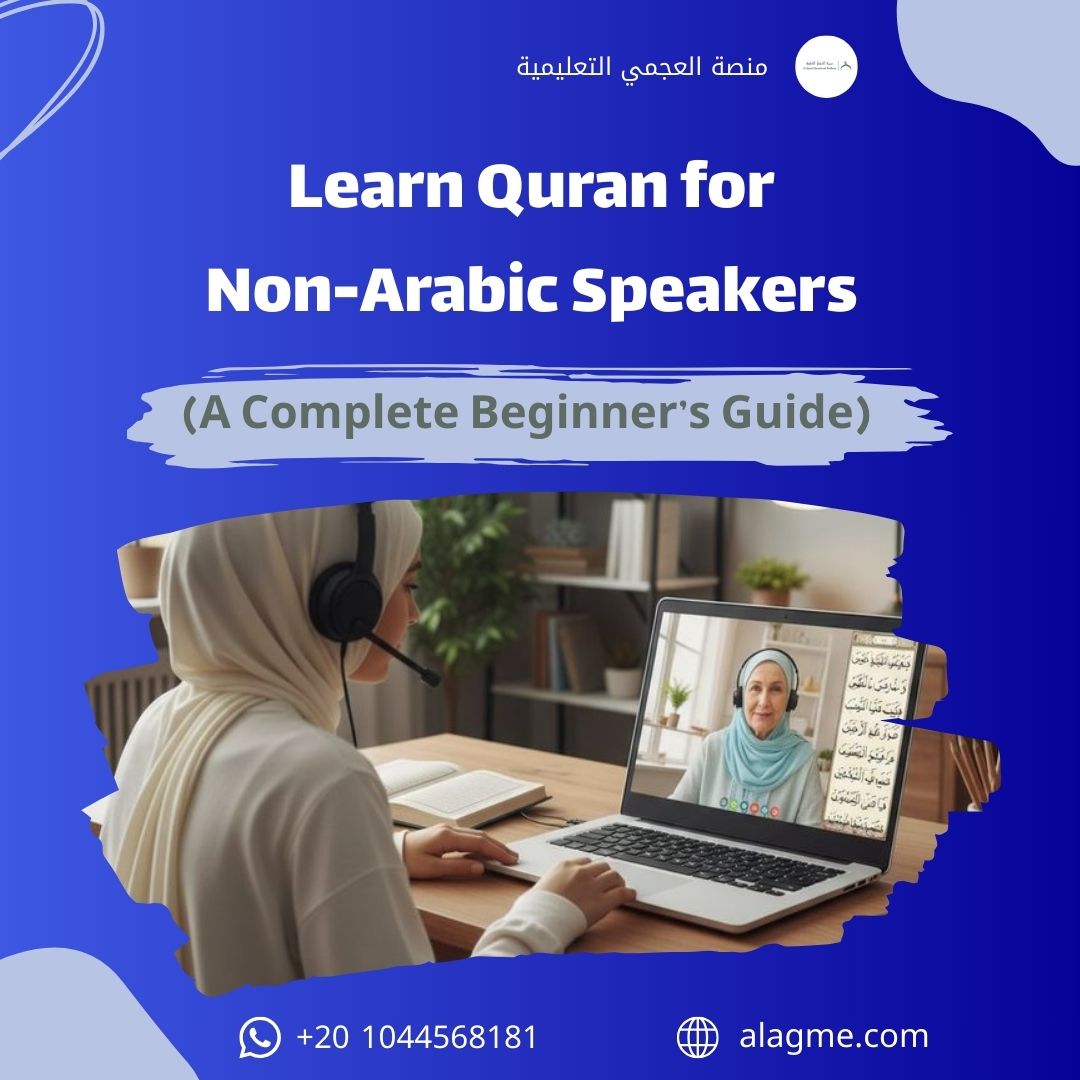
with the words of Allah in their original language. While the Quran was revealed in Arabic, millions of Muslims around the world who do not speak Arabic as their native language successfully learn to read, understand, and reflect upon it. With the right approach, patience, and guidance, learning the Quran as a complete beginner is not only possible but also spiritually rewarding.
This guide is designed to help non-Arabic speakers take their first confident steps toward learning the Quran, starting from the basics and progressing with clarity and purpose.
Why Learn the Quran in Arabic?
Translations of the Quran are helpful and valuable, but they can never fully capture the depth, beauty, and precision of the original Arabic text. Arabic is the language chosen by Allah for His final revelation, and every letter of the Quran carries reward when recited correctly. Learning the Quran in Arabic allows non-Arabic speakers to experience its rhythm, eloquence, and linguistic miracles firsthand.
Moreover, understanding Quranic Arabic strengthens one’s connection during prayer (Salah), increases concentration (khushu‘), and deepens comprehension of Islamic teachings. Even a basic understanding of Quranic Arabic can transform how a Muslim experiences worship.
Common Challenges for Non-Arabic Speakers
For beginners, learning the Quran may seem overwhelming. Arabic has a unique script, unfamiliar sounds, and grammatical structures that differ greatly from many other languages. Letters change shape depending on their position in a word, and pronunciation must be precise to preserve meaning.
However, these challenges are natural and temporary. With structured learning and consistent practice, what once seemed difficult becomes familiar. Many non-Arabic speakers find that Quranic Arabic is more accessible than they initially expected, especially when learning is focused specifically on Quran recitation and understanding.
Step One: Learning the Arabic Alphabet
The foundation of learning the Quran begins with mastering the Arabic alphabet. There are 28 letters, each with distinct articulation points (makharij). Beginners should focus on recognizing letter shapes, sounds, and how they connect within words.
Learning the alphabet is often done through the Noorani Qaida or similar beginner-friendly methods, which are widely used across the Muslim world. This step is essential, as correct pronunciation ensures accurate recitation and prevents changes in meaning.
Step Two: Understanding Basic Tajweed Rules
Tajweed refers to the rules governing the correct pronunciation of Quranic letters. For non-Arabic speakers, tajweed is especially important because certain Arabic sounds do not exist in other languages.
At the beginner level, learners should focus on basic rules such as elongation (madd), nasalization (ghunnah), and proper articulation of heavy and light letters. Tajweed is not meant to complicate learning; rather, it preserves the beauty and authenticity of Quran recitation as it was revealed.
Step Three: Learning Quranic Vocabulary
One of the most effective ways for non-Arabic speakers to progress is by learning common Quranic words. A small number of words appear repeatedly throughout the Quran, and memorizing them significantly improves comprehension.
Learning Quranic vocabulary alongside recitation helps learners understand what they are reading, rather than simply sounding out letters. Over time, this builds confidence and creates a deeper emotional and spiritual connection with the text.
Step Four: Using Reliable Translations and Tafsir
While learning Arabic, beginners should rely on trustworthy Quran translations in their native language. Translations help clarify meaning and provide context, especially for verses that may be misunderstood when read alone.
Studying basic tafsir (explanation of the Quran) further enhances understanding by explaining the reasons for revelation, historical context, and key lessons. This step ensures that learning the Quran is not limited to recitation alone, but also includes reflection and application.
Step Five: Consistency and Daily Practice
Consistency is the key to success in learning the Quran. Even 15 to 20 minutes of daily practice can lead to remarkable progress over time. Regular recitation strengthens memory, improves pronunciation, and builds familiarity with Quranic language.
Non-Arabic speakers are encouraged to set realistic goals, such as learning a few verses at a time, and to celebrate small achievements along the way. The journey of learning the Quran is not a race, but a lifelong act of worship.
Learning the Quran Online for Non-Arabic Speakers
Today, technology has made learning the Quran more accessible than ever. Online Quran classes offer flexible schedules, qualified teachers, and personalized learning plans tailored to non-Arabic speakers. One-on-one sessions help learners progress at their own pace and receive immediate feedback.
Many reputable online platforms specialize in teaching Quran recitation, tajweed, and Quranic Arabic specifically for beginners. This approach is especially beneficial for adults who may feel hesitant to start learning in traditional classroom settings.
Spiritual Rewards and Motivation
The Prophet Muhammad ﷺ said: “The best among you are those who learn the Quran and teach it.” This hadith is a powerful motivation for every Muslim, regardless of language or background.
Every effort made in learning the Quran is rewarded, even when mistakes are made. For non-Arabic speakers, the struggle itself is a source of double reward, as mentioned in authentic hadith. This divine encouragement should inspire beginners to continue their journey with hope and sincerity.
Conclusion
Learning the Quran for non-Arabic speakers is a beautiful and achievable goal. By starting with the basics, practicing consistently, and seeking reliable guidance, complete beginners can gradually unlock the treasures of the Quran. The journey requires patience, dedication, and sincerity, but its rewards extend far beyond knowledge, enriching the heart, mind, and soul.
No matter where you begin, every step toward the Quran brings you closer to Allah. Start today, and let the Quran become a lifelong companion.
يُعَدُّ تعلُّم القرآن الكريم رحلةً عميقة المعنى، خاصةً لغير الناطقين باللغة العربية الذين يرغبون في التواصل مع كلام الله بلغته الأصلية. وعلى الرغم من أن القرآن نزل باللغة العربية، إلا أن ملايين المسلمين حول العالم، ممن لا يتحدثون العربية كلغة أم، نجحوا في تعلُّم قراءته وفهمه والتدبر في معانيه. ومع المنهج الصحيح، والصبر، والتوجيه المناسب، فإن تعلُّم القرآن للمبتدئ الكامل ليس ممكنًا فحسب، بل هو أيضًا تجربة روحانية غنية ومجزية.
تم إعداد هذا الدليل لمساعدة غير الناطقين بالعربية على اتخاذ خطواتهم الأولى بثقة في تعلُّم القرآن، بدءًا من الأساسيات ووصولًا إلى التقدم التدريجي الواضح المبني على الفهم والهدف.
لماذا نتعلّم القرآن باللغة العربية؟
تُعد ترجمات القرآن مفيدة وضرورية، لكنها لا تستطيع أن تنقل المعنى الكامل، ولا العمق البلاغي، ولا الدقة اللغوية للنص العربي الأصلي. فقد اختار الله سبحانه وتعالى اللغة العربية لتكون لغة آخر رسالاته، ولكل حرف من القرآن أجر عند تلاوته تلاوة صحيحة.
إن تعلُّم القرآن باللغة العربية يُمكّن غير الناطقين بها من تذوق جمال الإيقاع القرآني، وقوة البيان، والإعجاز اللغوي الفريد. كما أن فهم العربية القرآنية يعزز الخشوع في الصلاة، ويزيد من التركيز، ويُعمِّق استيعاب تعاليم الإسلام. وحتى الفهم البسيط للغة القرآن يمكن أن يُحدث فرقًا كبيرًا في تجربة العبادة اليومية.
التحديات الشائعة لغير الناطقين بالعربية
قد يبدو تعلُّم القرآن في بدايته أمرًا صعبًا أو مُربكًا. فاللغة العربية تمتلك نظام كتابة مختلفًا، وأصواتًا غير مألوفة، وقواعد لغوية تختلف كثيرًا عن لغات أخرى. كما أن أشكال الحروف تتغير حسب موقعها في الكلمة، ويجب نطقها بدقة حتى لا يتغير المعنى.
لكن هذه التحديات طبيعية ومؤقتة. فمع التعلُّم المنظم والممارسة المستمرة، يتحول ما يبدو صعبًا إلى أمر مألوف وسهل. ويكتشف كثير من غير الناطقين بالعربية أن العربية القرآنية أسهل مما كانوا يتوقعون، خاصة عندما يركّز التعلُّم على قراءة القرآن وفهمه تحديدًا، لا على اللغة العربية العامة.
الخطوة الأولى: تعلُّم الحروف العربية
يبدأ أساس تعلُّم القرآن بإتقان الحروف العربية. تتكوّن اللغة العربية من 28 حرفًا، ولكل حرف مخرج وصفة مميزة. ويجب على المبتدئ التركيز على التعرف على شكل الحرف وصوته، وكيفية اتصاله بالحروف الأخرى داخل الكلمة.
غالبًا ما يتم تعلُّم الحروف من خلال القاعدة النورانية أو مناهج مشابهة مبسطة، وهي مستخدمة على نطاق واسع في العالم الإسلامي. وتُعد هذه الخطوة ضرورية، لأن النطق الصحيح للحروف يضمن سلامة التلاوة ويمنع تحريف المعنى.
الخطوة الثانية: فهم أساسيات التجويد
التجويد هو العلم الذي يضبط كيفية نطق حروف القرآن كما أُنزلت. وبالنسبة لغير الناطقين بالعربية، يُعد التجويد عنصرًا أساسيًا، لأن بعض الأصوات العربية لا توجد في لغاتهم الأصلية.
في المرحلة الأولى، ينبغي التركيز على القواعد الأساسية مثل المدود، والغنة، والتفريق بين الحروف المفخمة والمرققة، ومعرفة مخارج الحروف الصحيحة. والتجويد ليس تعقيدًا للتعلُّم، بل هو وسيلة للحفاظ على جمال القرآن وأدائه الصحيح.
الخطوة الثالثة: تعلُّم مفردات القرآن
من أنجح الطرق التي تساعد غير الناطقين بالعربية على التقدم السريع هي تعلُّم الكلمات القرآنية الشائعة. فعدد محدود من الكلمات يتكرر في القرآن الكريم مئات المرات، وحفظها يساهم بشكل كبير في تحسين الفهم.
عندما يتعلّم الدارس المفردات إلى جانب التلاوة، فإنه لا يقرأ أصواتًا فقط، بل يفهم ما يتلوه. ومع الوقت، ينمو هذا الفهم تدريجيًا، مما يعزز الثقة ويقوّي الارتباط الروحي والعاطفي بالقرآن الكريم.
الخطوة الرابعة: الاعتماد على الترجمات والتفسير الموثوق
أثناء تعلُّم العربية، يحتاج المبتدئ إلى الاستعانة بترجمات موثوقة لمعاني القرآن بلغته الأم. تساعد الترجمات على توضيح المعنى العام، وتمنح القارئ فهمًا أفضل للسياق، خاصة في الآيات التي قد يُساء فهمها عند قراءتها دون شرح.
كما أن دراسة التفسير المبسّط تُعد خطوة مهمة، لأنها توضح أسباب النزول، والسياق التاريخي، والدروس المستفادة من الآيات. وبهذا لا يقتصر تعلُّم القرآن على التلاوة فقط، بل يشمل الفهم والتدبر والعمل.
الخطوة الخامسة: الاستمرارية والممارسة اليومية
الاستمرارية هي مفتاح النجاح في تعلُّم القرآن. فالمداومة على 15 أو 20 دقيقة يوميًا يمكن أن تُحدث تقدمًا ملحوظًا مع مرور الوقت. التلاوة المنتظمة تقوّي الذاكرة، وتحسّن النطق، وتزيد الألفة مع لغة القرآن.
يُنصح غير الناطقين بالعربية بوضع أهداف واقعية، مثل حفظ عدد قليل من الآيات في كل مرة، والاحتفاء بالإنجازات الصغيرة. فطريق تعلُّم القرآن ليس سباقًا، بل عبادة مستمرة مدى الحياة.
تعلُّم القرآن أونلاين لغير الناطقين بالعربية
في عصرنا الحالي، جعلت التكنولوجيا تعلُّم القرآن أكثر سهولة من أي وقت مضى. فقد وفّرت الدروس الإلكترونية فرصًا مرنة للتعلُّم مع معلمين متخصصين، وبرامج مصممة خصيصًا لغير الناطقين بالعربية.
تُتيح الحصص الفردية عبر الإنترنت التعلُّم وفق الوتيرة المناسبة لكل طالب، مع تصحيح فوري للأخطاء وتوجيه مستمر. ويُعد هذا الخيار مثاليًا للبالغين الذين قد يشعرون بالتردد في بدء التعلُّم في الفصول التقليدية.
الأجر الروحي والدافع للاستمرار
قال النبي ﷺ:
«خيركم من تعلّم القرآن وعلّمه».
وهو حديث عظيم يحفّز كل مسلم، مهما كانت لغته أو خلفيته.
فكل جهد يُبذل في تعلُّم القرآن مأجور عليه، حتى مع وجود الأخطاء. وقد ورد في الحديث الصحيح أن من يجد مشقة في القراءة له أجران. وهذا التشجيع الرباني يمنح غير الناطقين بالعربية دافعًا قويًا للاستمرار في رحلتهم بثقة وأمل.
الخاتمة
إن تعلُّم القرآن لغير الناطقين بالعربية هدف جميل وقابل للتحقيق. فمن خلال البدء بالأساسيات، والالتزام بالممارسة، وطلب التوجيه الصحيح، يستطيع المبتدئ أن يفتح أبواب كنوز القرآن تدريجيًا. قد يتطلب الطريق صبرًا واجتهادًا، لكن ثماره تمتد لتغذي القلب والعقل والروح.
مهما كانت نقطة البداية، فإن كل خطوة نحو القرآن تقرّبك من الله. ابدأ اليوم، ودع القرآن يكون رفيقك الدائم في الحياة.

💬 اترك تعليقك