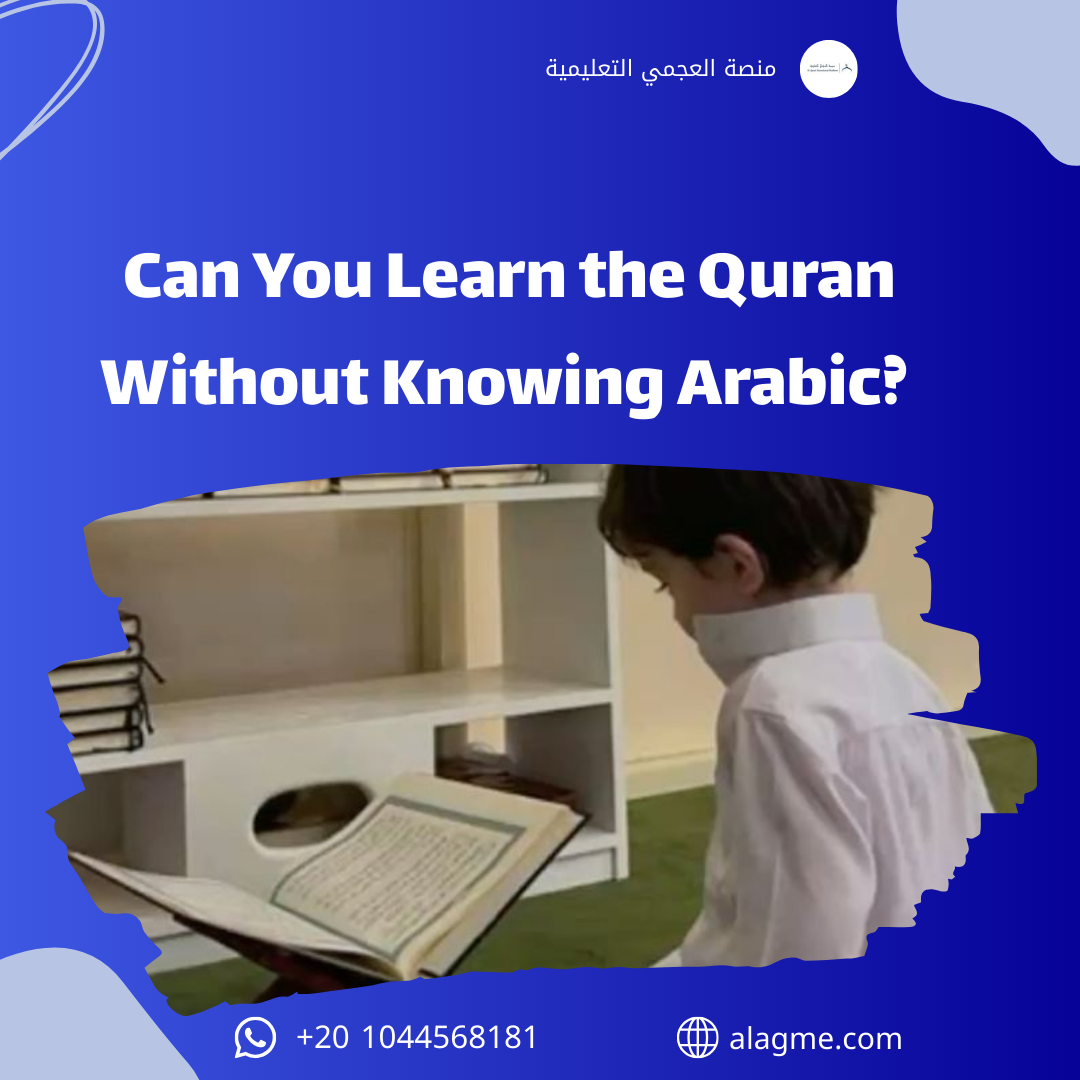
The Quran is the holy book of Islam and the central source of guidance for Muslims around the world. It was revealed in the Arabic language more than fourteen centuries ago, and its linguistic beauty and depth are considered among its greatest miracles. Because of this, many people wonder whether it is possible to learn the Quran without knowing Arabic. This question is especially important for millions of Muslims who do not speak Arabic as their native language but still wish to connect deeply with the Quran.
The simple answer is yes, it is possible to learn the Quran without knowing Arabic, but the experience may be different compared to someone who understands the language. Learning the Quran can take several forms: recitation, memorization, understanding, and reflection. A person who does not know Arabic can still recite and memorize the Quran accurately, but understanding its full meaning requires some level of learning about the language or relying on translations and explanations.
One of the most common ways non-Arabic speakers interact with the Quran is through recitation. Muslims all over the world learn how to read the Quran using the Arabic script even if they do not speak the language fluently. Through the science of Tajweed, which teaches the correct pronunciation of Quranic letters and rules of recitation, learners can accurately read the Quran. Many students begin by learning the Arabic alphabet and basic pronunciation, which allows them to recite the Quran correctly without necessarily understanding every word.
Memorization is another aspect of learning the Quran that does not require full knowledge of Arabic. Millions of Muslims have memorized the Quran even though Arabic is not their first language. Through repetition, listening to reciters, and consistent practice, students are able to memorize chapters and verses over time. This method has been used for centuries in different parts of the world. Even young children who are not fluent in Arabic are able to memorize large portions of the Quran through structured learning and guidance.
However, memorizing or reciting the Quran is only one dimension of learning it. The Quran is not merely meant to be read aloud; it is also meant to be understood and reflected upon. Understanding the Quran allows a person to appreciate its wisdom, guidance, and moral teachings. For those who do not know Arabic, translations become an important tool in building this understanding.
Today, the Quran has been translated into many languages including English, Urdu, Turkish, Indonesian, French, and many others. These translations help readers grasp the general meaning of the verses and understand the message of Islam. While translations cannot fully capture the linguistic depth and subtle meanings of the original Arabic text, they still serve as a valuable bridge for non-Arabic speakers who want to learn the Quran.
In addition to translations, many scholars have written explanations of the Quran known as Tafsir. Tafsir provides context, historical background, and detailed explanations of the verses. For someone who does not know Arabic, reading Tafsir in their native language can significantly enhance their understanding of the Quran. It helps clarify meanings that might not be obvious from translation alone and provides deeper insight into the message of the scripture.
Another helpful method for learning the Quran without knowing Arabic is listening to recitations regularly. Listening to skilled reciters helps learners become familiar with the rhythm and pronunciation of Quranic verses. Over time, repeated listening can improve reading skills and even assist in memorization. Many learners find that hearing the Quran daily strengthens their emotional connection with it.
Modern technology has also made learning the Quran easier than ever before. Online platforms, mobile applications, and digital courses now allow students from any part of the world to learn Quran recitation, memorization, and interpretation. Many of these resources include translation features and interactive tools that help learners understand the meaning of verses while reading them.
Despite all these methods, learning some Arabic remains highly beneficial for anyone who wishes to develop a deeper relationship with the Quran. Even basic knowledge of Quranic vocabulary can significantly improve understanding. Many scholars recommend that students learn commonly repeated words and simple grammatical structures. Since many words appear frequently in the Quran, learning a limited vocabulary can help readers understand a large portion of the text.
For example, words related to mercy, guidance, faith, and worship appear many times throughout the Quran. Once learners recognize these words, they begin to notice patterns and themes in the verses. This process gradually builds a stronger connection with the text and enhances the spiritual experience of reading the Quran.
It is also important to remember that learning the Quran is not only an intellectual activity but also a spiritual journey. Muslims believe that sincerity, patience, and consistent effort are key elements in this journey. Even if a person does not fully understand Arabic, their effort to read and learn the Quran is still highly valued. The process itself brings spiritual reward and personal growth.
Furthermore, the Quran has a unique ability to touch the hearts of people even when they do not fully understand the language. Many listeners feel peace and comfort when hearing its recitation. This emotional connection often motivates learners to continue studying and exploring the meanings of the verses.
In conclusion, it is certainly possible to learn the Quran without knowing Arabic, especially when it comes to recitation and memorization. Translations, Tafsir, and modern educational resources allow non-Arabic speakers to understand the message of the Quran to a large extent. However, learning some Arabic can greatly enrich this experience and provide a deeper appreciation of the Quran’s linguistic beauty and meaning. Ultimately, the most important step is beginning the journey with sincerity and dedication, as the Quran is meant to guide hearts and transform lives regardless of language barriers.
هل يمكن تعلم القرآن دون معرفة اللغة العربية؟
يُعدّ القرآن الكريم الكتاب المقدس في الإسلام والمصدر الأساسي للهداية للمسلمين في جميع أنحاء العالم. وقد نزل باللغة العربية منذ أكثر من أربعة عشر قرناً، وتُعد بلاغته اللغوية وعمقه من أعظم وجوه إعجازه. ولهذا يتساءل كثير من الناس: هل يمكن تعلم القرآن دون معرفة اللغة العربية؟ ويكتسب هذا السؤال أهمية خاصة بالنسبة لملايين المسلمين الذين لا يتحدثون العربية كلغة أم، ولكنهم يرغبون في الارتباط بالقرآن ارتباطاً عميقاً.
الإجابة البسيطة هي نعم، يمكن تعلم القرآن دون معرفة العربية، ولكن التجربة قد تختلف عن تجربة من يفهم اللغة. فتعلم القرآن يشمل عدة جوانب مثل التلاوة، والحفظ، والفهم، والتدبر. يمكن للشخص الذي لا يعرف العربية أن يتعلم تلاوة القرآن ويحفظه بشكل صحيح، لكن فهم معانيه الكاملة يحتاج إلى تعلم بعض العربية أو الاعتماد على الترجمات والتفاسير.
من أكثر الطرق شيوعاً لتفاعل غير الناطقين بالعربية مع القرآن هي التلاوة. فالمسلمون في مختلف أنحاء العالم يتعلمون قراءة القرآن بالحروف العربية حتى وإن لم يكونوا متقنين للغة. ومن خلال علم التجويد الذي يعلّم قواعد النطق الصحيح للحروف وأحكام التلاوة، يستطيع المتعلم قراءة القرآن قراءة صحيحة.
كما أن حفظ القرآن لا يشترط معرفة اللغة العربية بشكل كامل. فقد حفظ ملايين المسلمين القرآن الكريم رغم أن العربية ليست لغتهم الأولى. ويتم ذلك من خلال التكرار والاستماع المستمر وتلقي التعليم من المعلمين المتخصصين.
لكن حفظ القرآن أو تلاوته ليسا الهدف الوحيد من تعلمه، فالقرآن نزل أيضاً ليفهم ويتدبر. وفهم القرآن يساعد الإنسان على إدراك حكمته وتوجيهاته الأخلاقية. ولهذا تصبح الترجمات وسيلة مهمة لغير الناطقين بالعربية لفهم معاني القرآن.
وقد تُرجم القرآن اليوم إلى العديد من اللغات مثل الإنجليزية والأردية والتركية والإندونيسية والفرنسية وغيرها. وتساعد هذه الترجمات القراء على فهم المعنى العام للآيات ورسالة الإسلام. ورغم أن الترجمة لا تستطيع نقل كل دقة المعاني الموجودة في النص العربي، فإنها تظل وسيلة مهمة لفهم الرسالة القرآنية.
إلى جانب الترجمات، كتب العلماء تفاسير عديدة للقرآن الكريم تشرح معاني الآيات وتوضح سياقها التاريخي واللغوي. ويمكن لغير الناطقين بالعربية الاستفادة من هذه التفاسير المترجمة لفهم أعمق للقرآن.
كما أن الاستماع إلى تلاوة القرآن بشكل منتظم يساعد كثيراً في تعلمه. فالاستماع إلى القراء المتقنين يعرّف المتعلم على نطق الكلمات وإيقاع الآيات، مما يسهل عملية القراءة والحفظ مع مرور الوقت.
وقد ساعدت التكنولوجيا الحديثة أيضاً في تسهيل تعلم القرآن، حيث توفر التطبيقات والمنصات التعليمية دروساً في التلاوة والحفظ والتفسير، إضافة إلى الترجمات التفاعلية التي تساعد المتعلم على فهم المعاني أثناء القراءة.
ومع ذلك فإن تعلم بعض أساسيات اللغة العربية يبقى أمراً مفيداً للغاية لمن يريد التعمق في فهم القرآن. فمعرفة عدد محدود من الكلمات المتكررة في القرآن يمكن أن يساعد القارئ على فهم نسبة كبيرة من الآيات.
وفي النهاية يمكن القول إن تعلم القرآن دون معرفة العربية أمر ممكن بالفعل، خاصة في جانب التلاوة والحفظ. كما تساعد الترجمات والتفاسير والوسائل التعليمية الحديثة غير الناطقين بالعربية على فهم رسالة القرآن بشكل كبير. ومع ذلك فإن تعلم شيء من اللغة العربية يضيف عمقاً أكبر للتجربة ويزيد من تقدير جمال القرآن ومعانيه. والأهم من ذلك كله أن يبدأ الإنسان رحلته مع القرآن بإخلاص وحرص على التعلم، لأن القرآن نزل ليهدي القلوب ويصلح حياة الإنسان مهما اختلفت لغته.
💬 اترك تعليقك