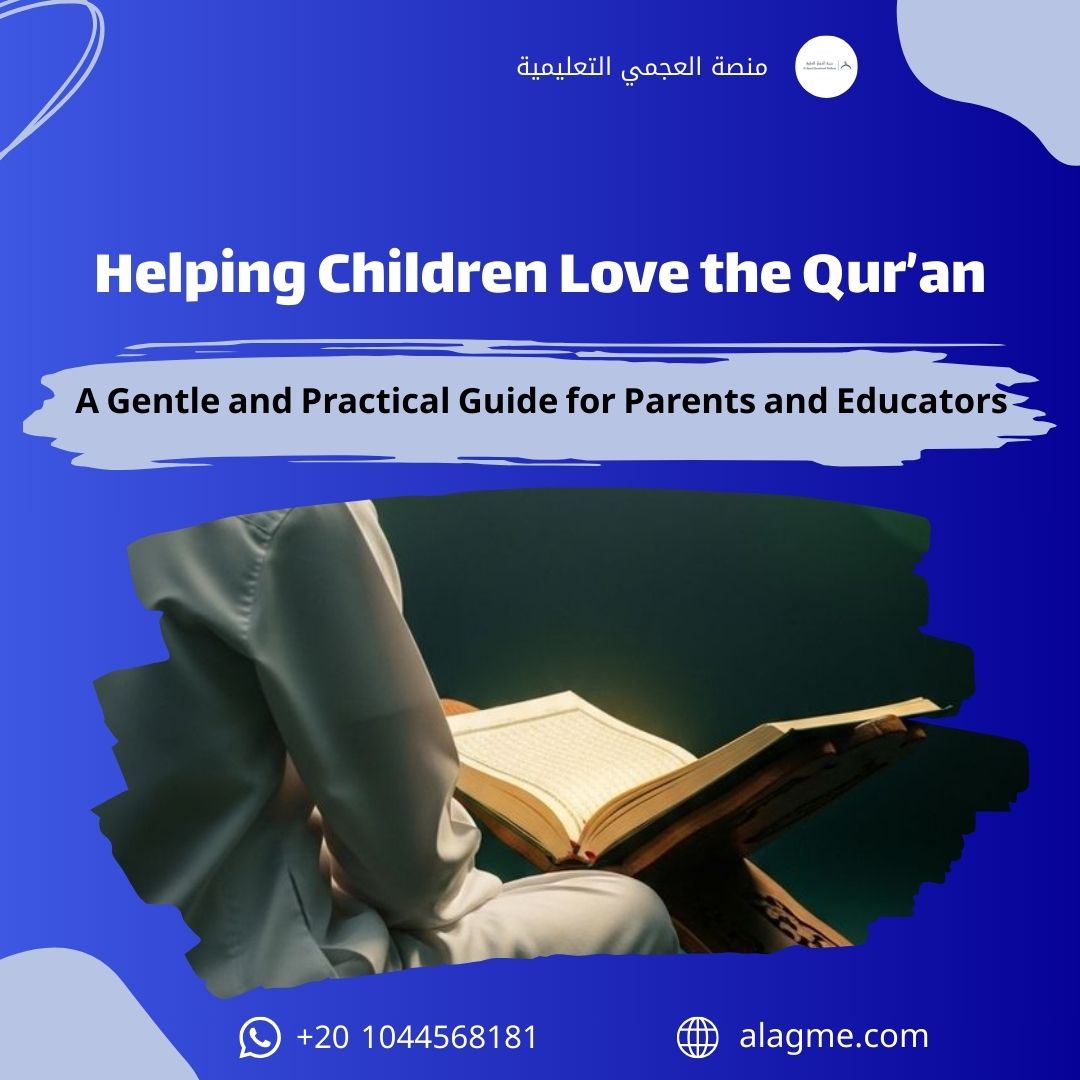
Love for the Qur’an grows when a child associates it with warmth, meaning, and positive experiences. When approached with wisdom and compassion, teaching the Qur’an can become one of the most beautiful bonds between parents, educators, and children.
Understanding the Child’s Nature
Children are naturally curious, emotionally sensitive, and responsive to their environment. Their early experiences shape their long-term attitudes toward learning and spirituality. If the Qur’an is introduced as a source of comfort, beauty, and guidance, children are more likely to develop a lasting attachment to it. Conversely, if it is associated with stress, harsh correction, or unrealistic expectations, the connection may weaken.
At a young age, children do not fully grasp abstract theological concepts, but they deeply understand tone, emotion, and atmosphere. Therefore, the first step in helping children love the Qur’an is to create a positive emotional environment around it.
Modeling Love for the Qur’an
Children learn more from what they observe than from what they are told. When parents regularly read the Qur’an with serenity and reverence, children notice. When they see their caregivers turning to the Qur’an in times of difficulty or gratitude, they learn that it is a living source of guidance.
Modeling love for the Qur’an does not require perfection. It requires sincerity. A parent who speaks about how a certain verse brings comfort, or who shares a reflection at the dinner table, is planting seeds of attachment in the child’s heart. Authentic practice is far more powerful than formal instruction alone.
Making the Qur’an a Daily Companion
Consistency builds familiarity, and familiarity builds comfort. Establishing a simple daily routine—such as reading a few verses together after prayer or before bedtime—helps integrate the Qur’an into the child’s normal life. The goal is not the quantity of recitation, but the regularity of connection.
Short, meaningful sessions are often more effective than long, exhausting ones. Children benefit from achievable goals. When they feel successful, their confidence grows, and their motivation increases. Celebrating small milestones, such as memorizing a short surah or improving pronunciation, reinforces positive feelings.
Teaching with Understanding, Not Just Memorization
Memorization is a noble and rewarding practice, but understanding gives memorization life. Explaining verses in simple language appropriate to the child’s age helps them relate to the message. For example, when discussing verses about kindness, parents can connect them to everyday actions like sharing toys or helping a sibling.
Storytelling is particularly powerful. The Qur’an contains narratives of prophets and communities that convey moral and spiritual lessons. Presenting these stories in an engaging and age-appropriate way allows children to internalize values while deepening their love for the Qur’an.
Encouraging Reflection and Questions
Children are thinkers by nature. They ask questions not to challenge authority, but to make sense of the world. Creating a safe space for questions about the Qur’an encourages intellectual and spiritual growth. When a child asks about a verse, responding with patience and openness strengthens trust.
If a parent or teacher does not know the answer, it is acceptable to say so and to seek knowledge together. This collaborative approach teaches humility and lifelong learning. It also demonstrates that the Qur’an is a source worthy of exploration and reflection.
Using Positive Reinforcement
Encouragement is a powerful motivator. Praising effort rather than only results helps children value the process of learning. Simple words such as “I am proud of your dedication” or “You read beautifully today” can have a lasting impact.
Rewards, when used wisely, can also support motivation, especially in early stages. However, they should not become the sole reason for engagement. The ultimate aim is to cultivate intrinsic love—a connection rooted in meaning and faith rather than external incentives.
Avoiding Harshness and Comparison
One of the greatest obstacles to loving the Qur’an is associating it with fear or humiliation. Comparing a child to siblings or peers can damage self-esteem and create resentment. Every child has a unique pace and capacity. Recognizing individual differences is essential.
Gentleness in correction is equally important. Mistakes in recitation are part of the learning process. Correcting errors calmly and constructively preserves the child’s confidence. The Prophet Muhammad (peace be upon him) exemplified gentleness in teaching, and this approach remains the most effective model.
Creating a Qur’anic Environment
A home or classroom environment that honors the Qur’an influences children profoundly. This includes maintaining respect for the physical copy of the Qur’an, playing beautiful recitations, and discussing its teachings regularly. Surrounding children with positive reminders fosters familiarity and reverence.
Community involvement can also enhance motivation. Participating in group recitation circles, competitions, or Qur’anic events helps children feel part of something meaningful. Shared experiences strengthen their sense of belonging and purpose.
Connecting the Qur’an to Real Life
Children need to see that the Qur’an is relevant to their daily lives. When parents connect its teachings to real situations—such as honesty at school, patience with friends, or gratitude for blessings—its guidance becomes tangible. The Qur’an transforms from a distant text into a living companion.
This practical application nurtures moral development and reinforces that the Qur’an is not merely recited but lived. Over time, children begin to internalize its principles and seek its guidance independently.
Patience and Long-Term Vision
Instilling love for the Qur’an is not an overnight achievement. It requires patience, prayer, and persistence. There may be periods of enthusiasm and periods of resistance. Such fluctuations are natural in any learning journey.
Maintaining a long-term perspective helps parents and educators remain steady and hopeful. Even small, consistent efforts accumulate over time. A single heartfelt moment with the Qur’an can leave a lasting imprint on a child’s soul.
Conclusion
Helping children love the Qur’an is a sacred responsibility and a profound opportunity. It involves nurturing emotional connection, modeling sincere devotion, teaching with understanding, and creating a supportive environment. Above all, it requires gentleness and patience.
When children grow up seeing the Qur’an as a source of comfort, wisdom, and guidance, they carry that love into adulthood. In cultivating this love, parents and educators are not merely teaching words; they are shaping hearts and building a lifelong relationship with the Book of Allah.
مساعدة الأطفال على حبّ القرآن: دليل عملي ولطيف للآباء والمربين
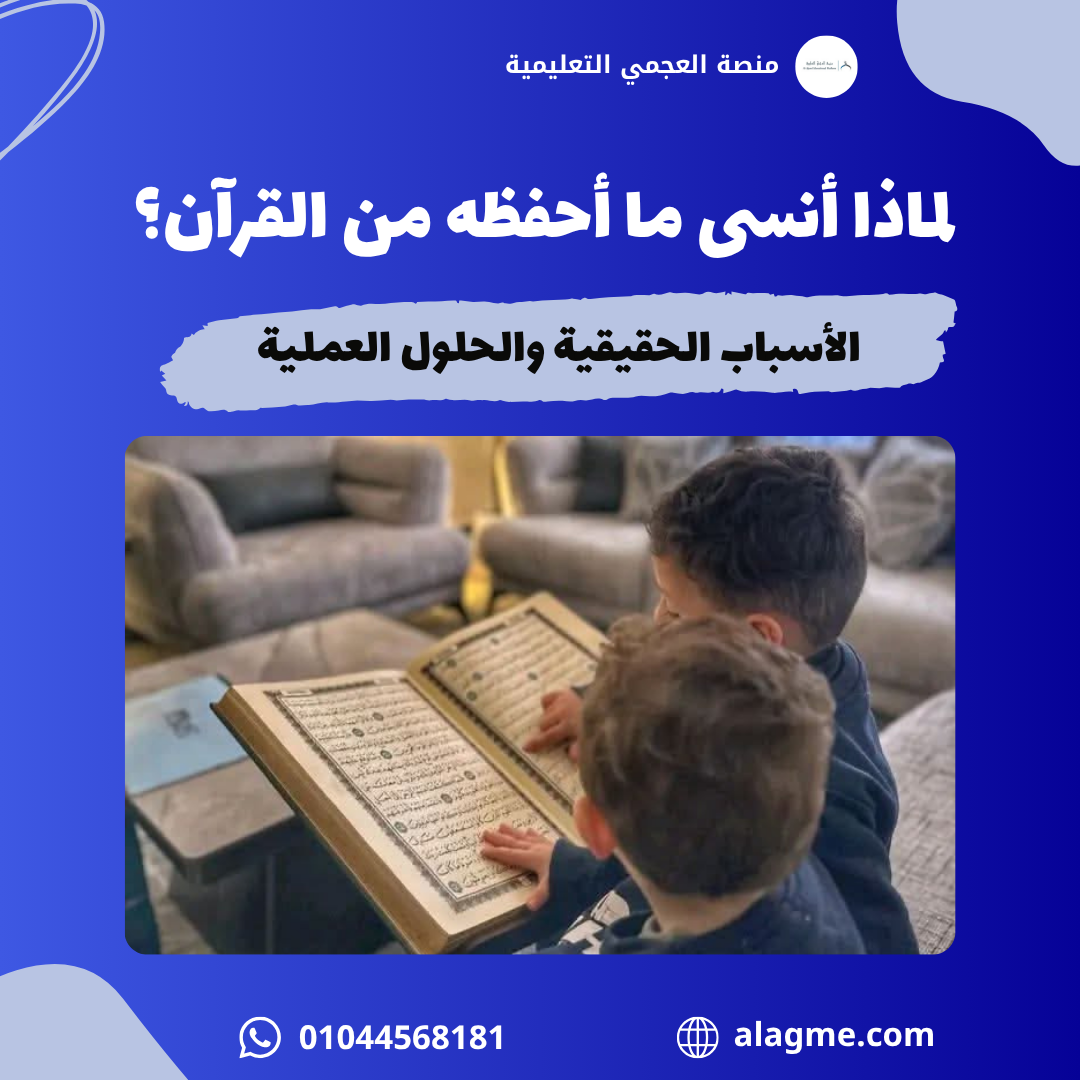
إن مساعدة الأطفال على حبّ القرآن ليست مهمة تُنجَز بالضغط أو بالتكرار المجرد، بل هي رحلة تربوية تبدأ بزرع المحبة في القلب قبل تدريب اللسان. فحبّ القرآن ينمو عندما يرتبط في وجدان الطفل بالدفء والمعنى والتجارب الإيجابية. وعندما يُقدَّم بحكمة ورحمة، يصبح تعليم القرآن من أجمل الروابط بين الآباء والأبناء.
فهم طبيعة الطفل
الأطفال بطبيعتهم فضوليون، حسّاسون عاطفيًا، ويتأثرون بالبيئة المحيطة بهم. وتجاربهم المبكرة تُشكّل مواقفهم المستقبلية تجاه التعلم والروحانية. فإذا قُدّم القرآن كمصدر للسكينة والجمال والهداية، نشأ تعلق دائم به. أما إذا ارتبط بالضغط أو القسوة، فقد تضعف العلاقة.
القدوة العملية
يتعلم الأطفال مما يرونه أكثر مما يسمعونه. فعندما يرى الطفل والديه يقرؤون القرآن بخشوع، أو يلجؤون إليه في الشدة والرخاء، يدرك أنه مصدر حيّ للهداية. القدوة الصادقة أقوى من أي توجيه نظري.
جعل القرآن رفيقًا يوميًا
الاستمرارية تبني الألفة. فجلسة قصيرة يومية لقراءة آيات قليلة، أهم من جلسة طويلة مرهقة. الإنجاز الصغير يعزز الثقة ويزيد الحافز، والاحتفاء بالخطوات البسيطة يرسّخ المشاعر الإيجابية.
الفهم قبل الحفظ
الحفظ فضيلة عظيمة، لكن الفهم يمنحه الحياة. شرح المعاني بلغة بسيطة تناسب عمر الطفل يجعله يرتبط بالآيات في واقعه اليومي. والقصص القرآني وسيلة فعالة لغرس القيم وتعميق المحبة.
تشجيع الأسئلة والتفكير
الطفل بطبيعته يسأل ليفهم. توفير مساحة آمنة للأسئلة يعزز الثقة والنمو الفكري. وإن جهل المربي الإجابة، فالبحث المشترك يعلّم التواضع ويجعل القرآن مجالًا للتأمل المستمر.
التعزيز الإيجابي
الكلمة الطيبة والتشجيع الصادق يتركان أثرًا عميقًا. الثناء على الجهد لا على النتيجة فقط، يعزز حب التعلم. والمكافآت قد تُستخدم بحكمة في البداية، لكن الهدف الأسمى هو تنمية حب داخلي نابع من الإيمان.
تجنب القسوة والمقارنة
المقارنة تضعف الثقة وتزرع النفور. لكل طفل قدرته وسرعته الخاصة. والتصحيح اللطيف يحفظ كرامة الطفل ويشجعه على الاستمرار.
البيئة القرآنية
البيت أو الصف الذي يُعظّم القرآن يترك أثرًا بالغًا في النفوس. سماع التلاوات الجميلة، والحديث عن معاني الآيات، والمشاركة في حلقات جماعية يعزز الانتماء ويقوي الدافع.
ربط القرآن بالحياة
عندما يرى الطفل أثر القرآن في سلوكه اليومي — في الصدق، والصبر، والشكر — يتحول من نص يُتلى إلى منهج يُعاش. وهنا تتجذر المحبة في القلب.
الصبر والرؤية البعيدة
غرس حب القرآن يحتاج صبرًا واستمرارية. قد تمر فترات فتور، لكنها طبيعية في أي مسار تعليمي. النظرة البعيدة المدى تمنح الثبات والأمل.
خاتمة
إن تنشئة طفل محبّ للقرآن مسؤولية عظيمة وفرصة جليلة. وهي تقوم على اللطف، والقدوة، والفهم، والبيئة الداعمة. فعندما يكبر الطفل والقرآن في قلبه مصدر سكينة وهداية، نكون قد أسسنا لعلاقة تمتد مدى الحياة مع كتاب الله.

💬 اترك تعليقك